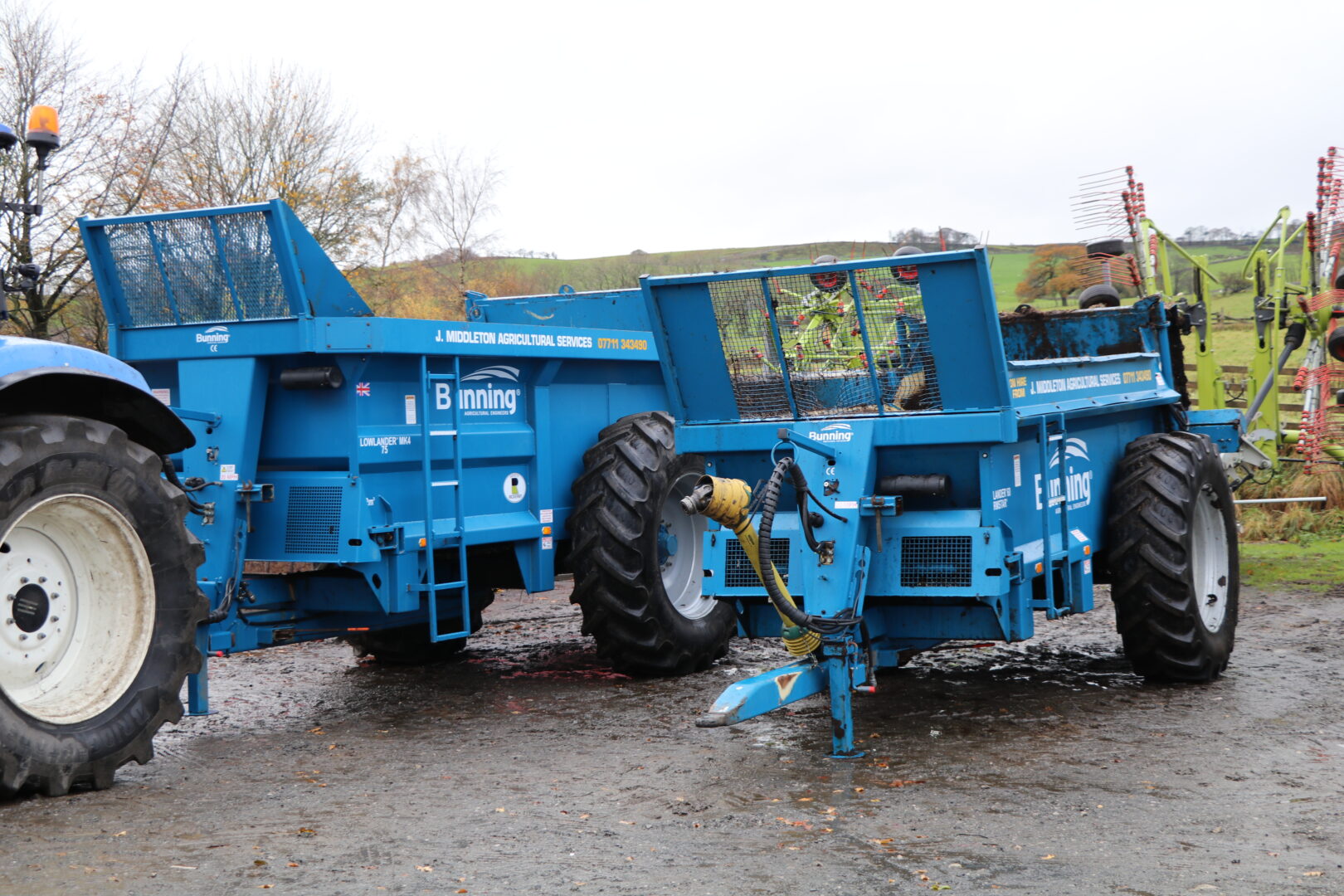
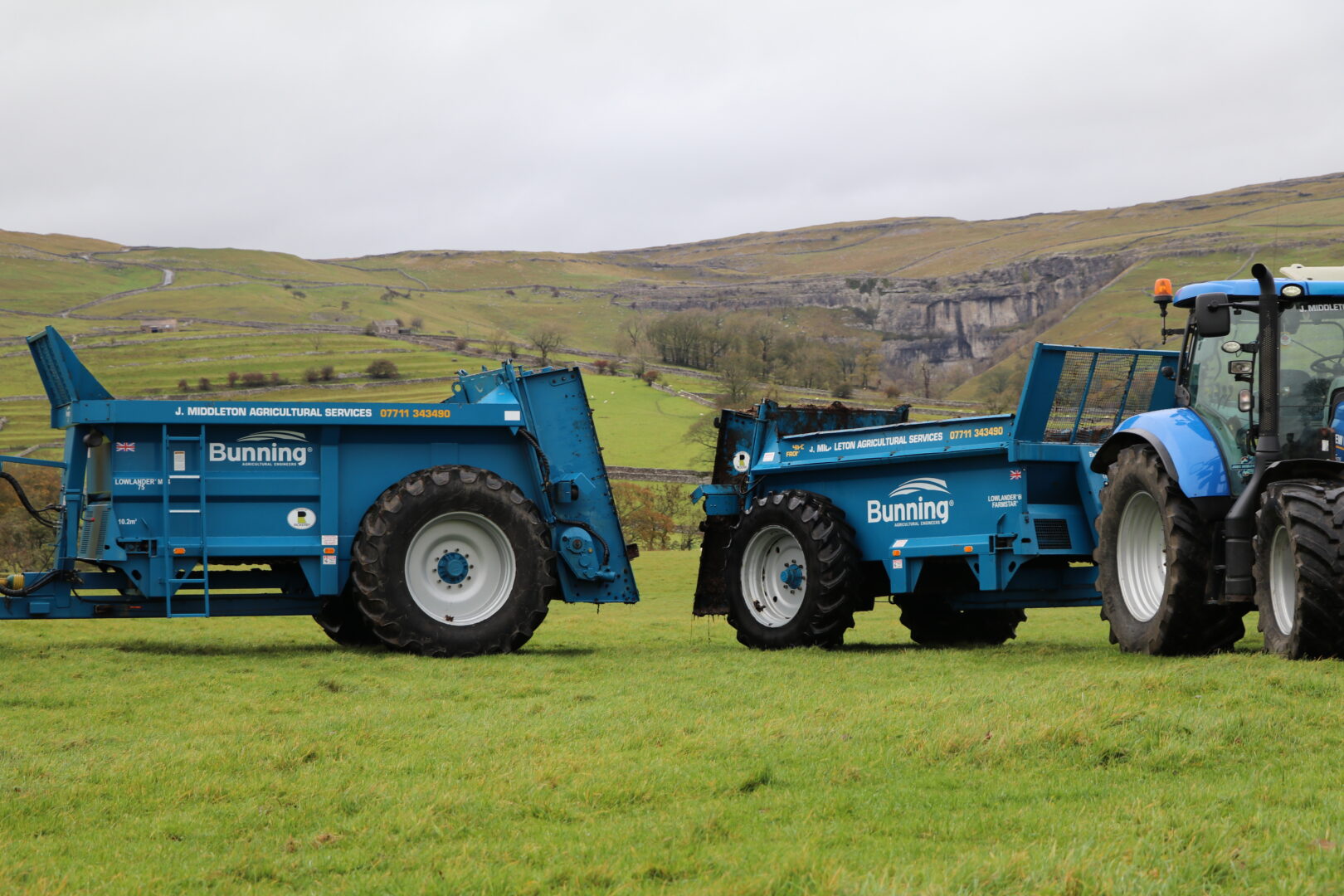
Engineering and build quality essential to Bunning longevity
James Middleton took one of the more unconventional ways to justify a new Bunning manure spreader by kicking his smoking habit to fund the finance payments.

James Middleton took one of the more unconventional ways to justify a new Bunning manure spreader by kicking his smoking habit to fund the finance payments.
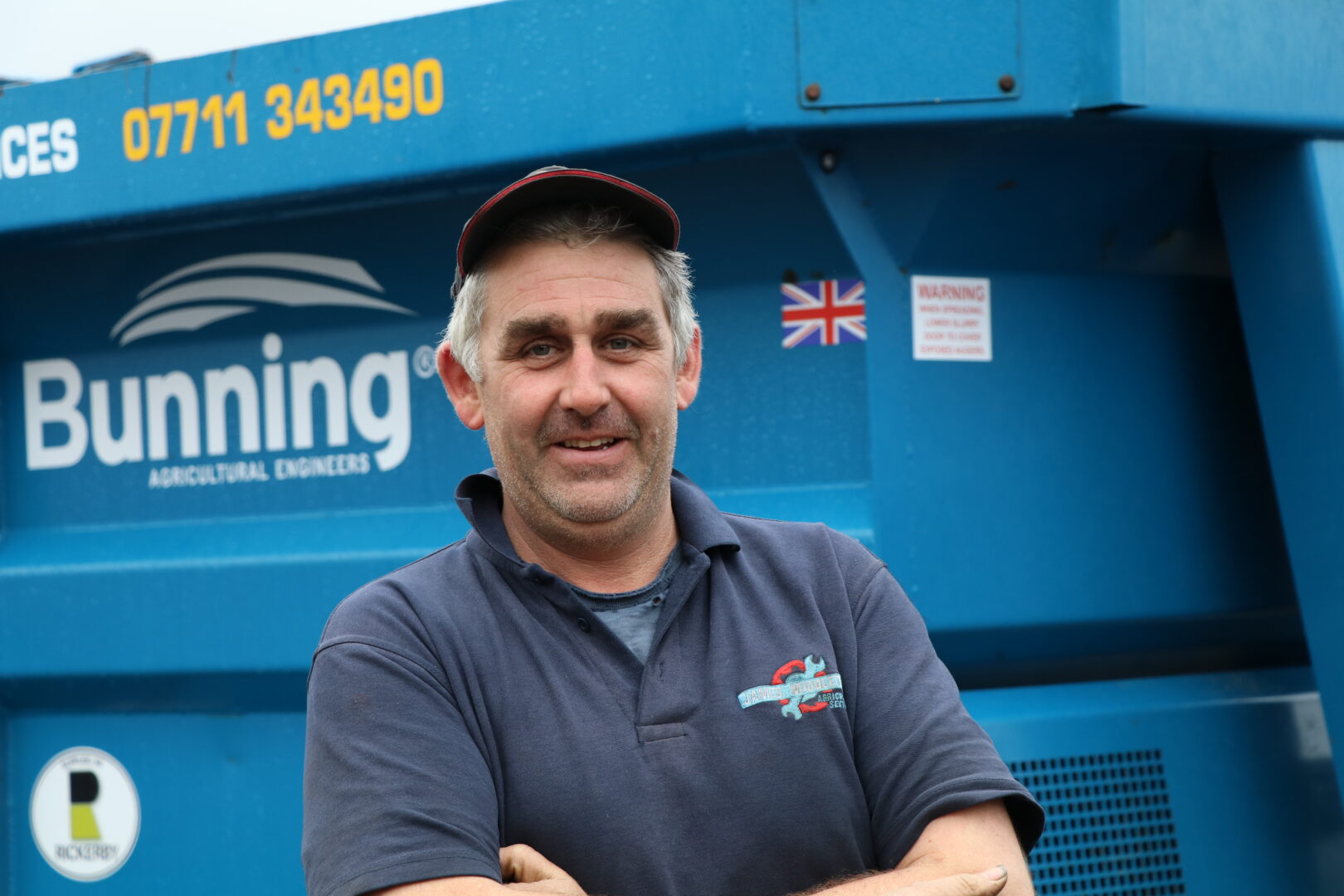
When he realised his savings pot wasn’t going to stretch to a new manure spreader, or even a decent second-hand model, James had to rethink his outlook of never borrowing money to fund machinery purchases. To grow the business as he wanted, it meant sizing up all options and ensuring any regular finance payments were affordable to the business’s cashflow.
“After I’d received the finance quote for a Bunning Lowlander 75 from Rickerby salesman, Rob Bell, I put some serious thought to how I’d justify this. I worked out the finance would cost £10/day, which, at the time, matched the daily cost of the cigarettes I was smoking. This was the incentive I needed to kick the habit and the Lowlander was purchased.”
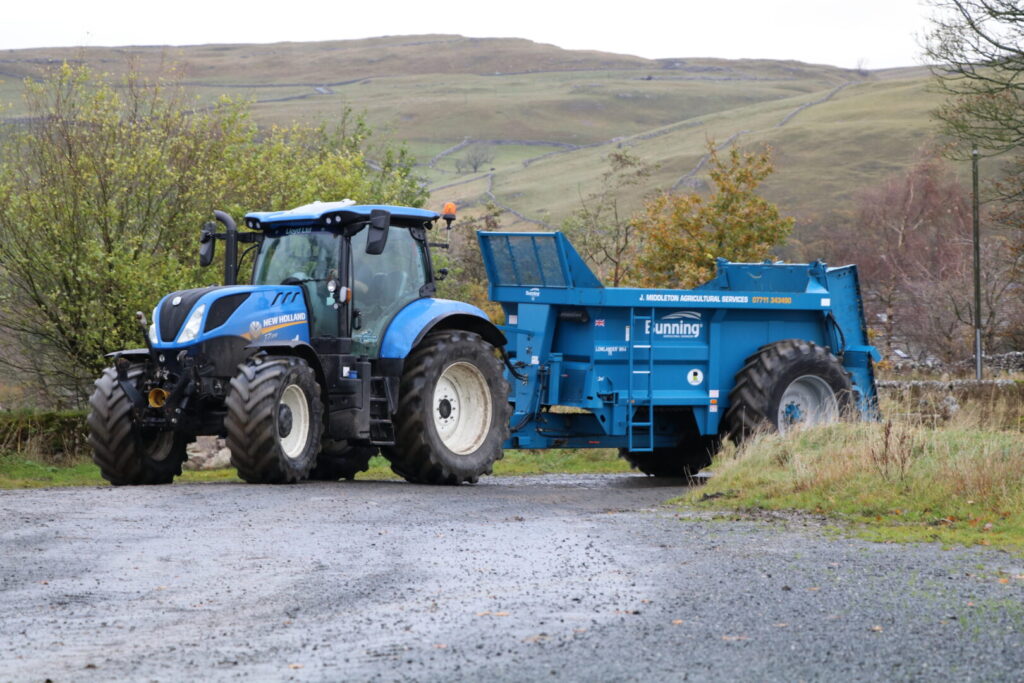
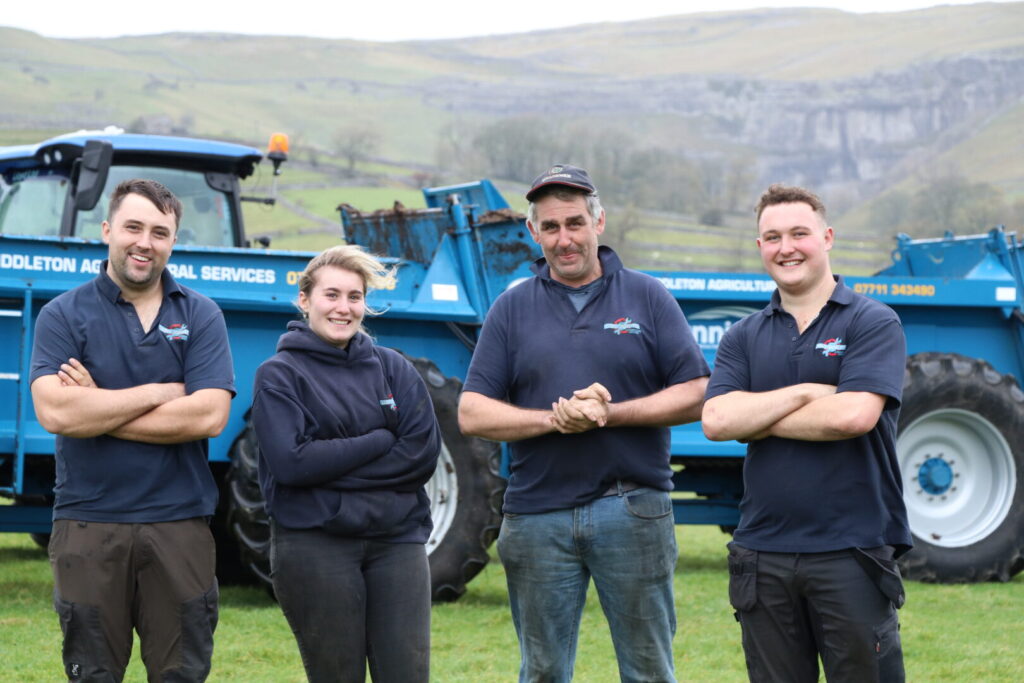
James runs James Middleton Agricultural Services, based opposite the popular Malham Cove tourist attraction in north Yorkshire. He started the business as an agricultural engineering firm but wanted to expand the contracting and hire side of the business to local farmers.
“Our area is very grassland based and isn’t very fashionable as there’s lots of narrow roads, small gateways and tiny fields. This means the smaller kit is king around here, so offering a hire service that allows these farms access to a modern spreader was my aim.
“The spreaders would also dovetail with cleaning out low sheds with a skid steer, which is how the contracting side started. I’d regularly turn up on farm with the loader only to be let down by the spreading contractor. If I could bring this in-house, I would be independent.”
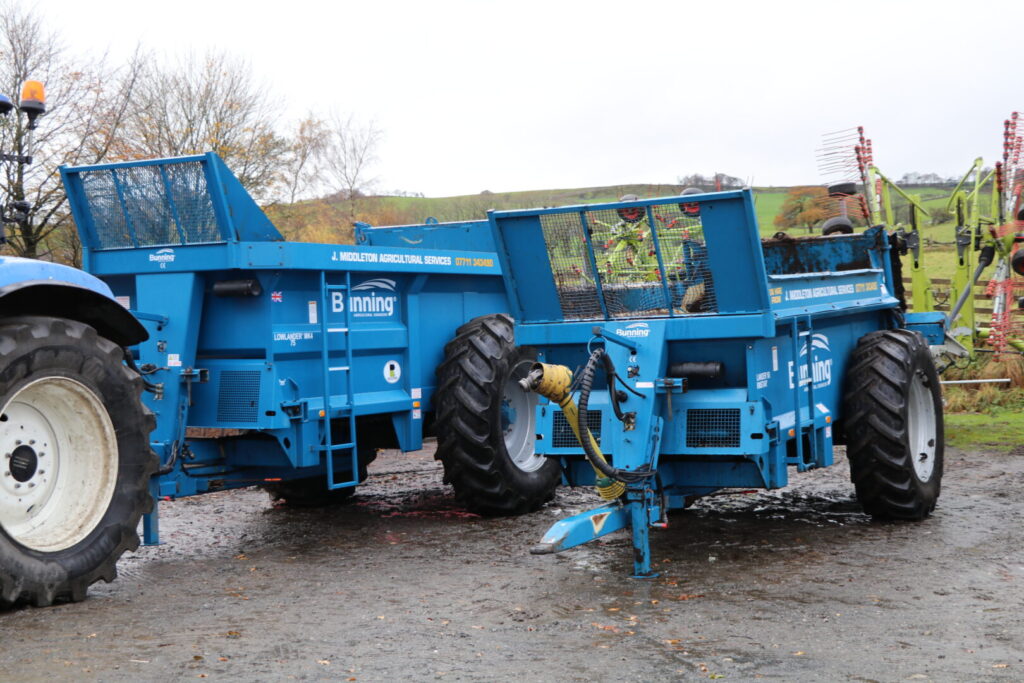
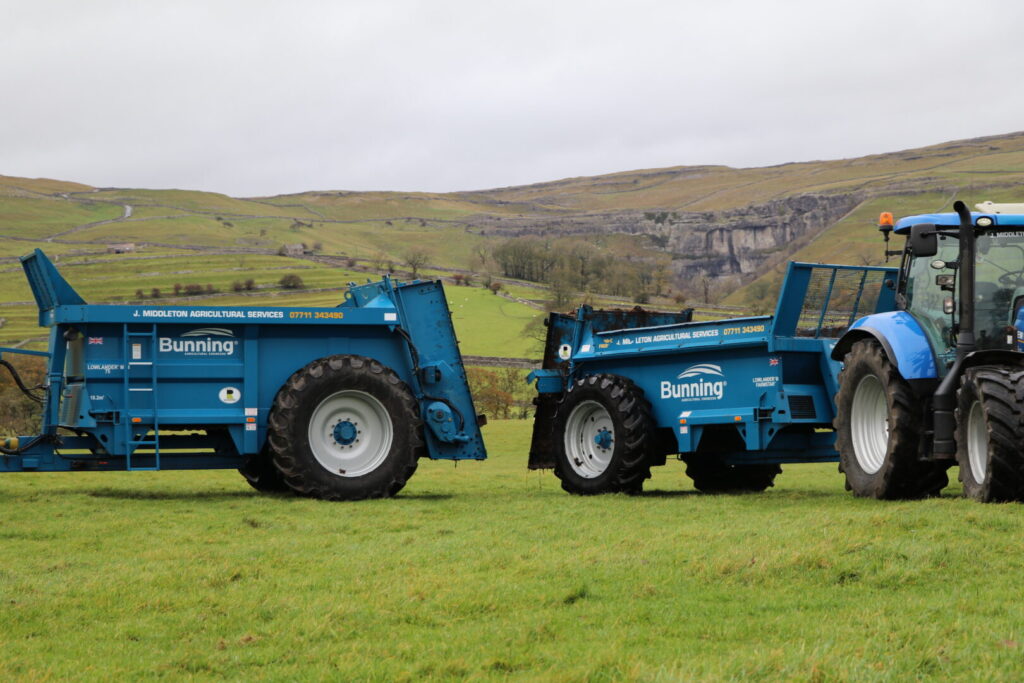
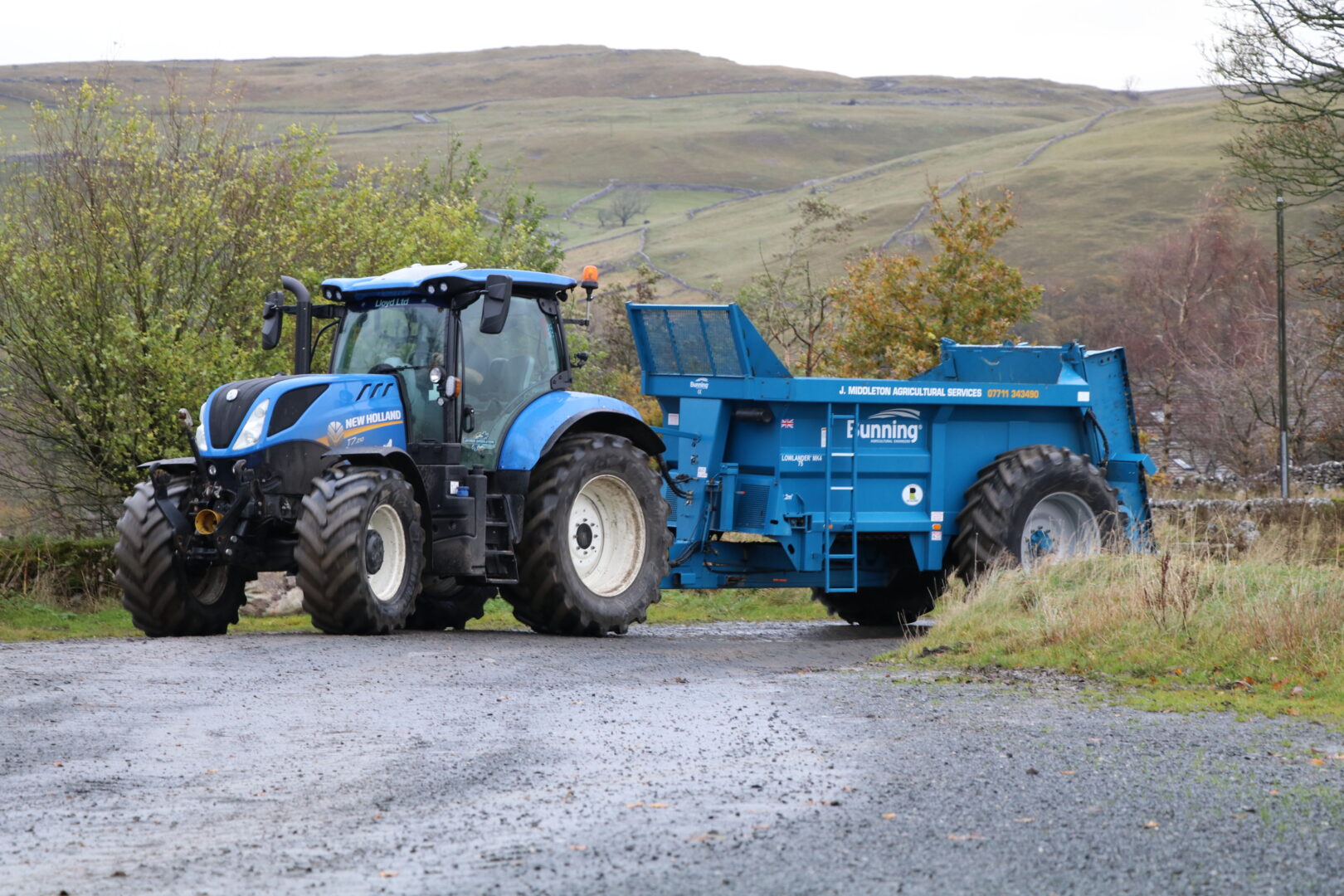
The combination of hiring and contracting the spreader took off straight away. James also worked out that if the spreader was on hire for 56 days during the year, it would cover the finance and depreciation costs. However, during the first year, it completed upwards of 150 days on hire, to both farmers and contractors, which more than justified the investment in the Lowlander 75 twin vertical auger (TVA) machine.
As James is an engineer by trade and worked for a local dealership before setting up on his own, he knew that a Bunning spreader offered him the most robust and consistent machine on the market, with the potential for a good resale value at the end of his ownership.
“I’ve always believed in buying something that’s right for the job and looking after it. I’ve serviced lots of different spreaders over my time and I can say that Bunning machines are designed and built by people that understand what farmers require.”
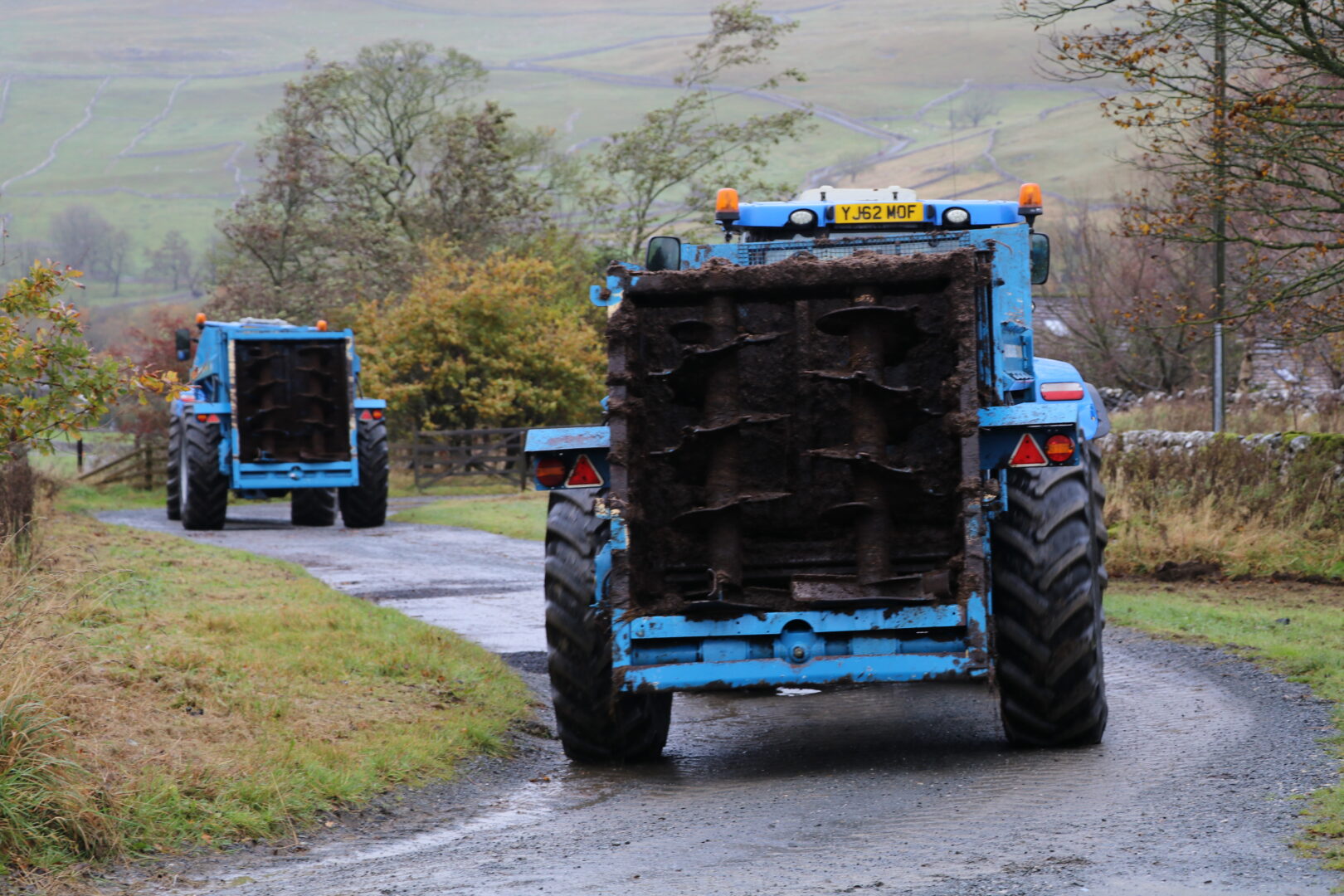
One area in particular is the full width slats on the moving floor. He says when the slats are split by a moving chain, there’s a tendency for a weakness to appear over time.
“The central pair of chains supporting the half width slats will stretch over time as they are doing more work than the outer chains due to increased weight of manure in the centre of the machine. This leads to unsynchronised sides and inaccurate delivery to the augers. With full width slats, this isn’t an issue as the two chains, one on either side, are subjected to the same forces.”
James says this contributes to even and consistent delivery of material into the augers and helps to increase longevity. In his 15 years owning Bunning machines, he’s only ever had one bed motor fail in that time. An option James has requested on all his spreaders are sump guards under the rear gearbox to prevent rocks damaging it when crossing streams and brooks.
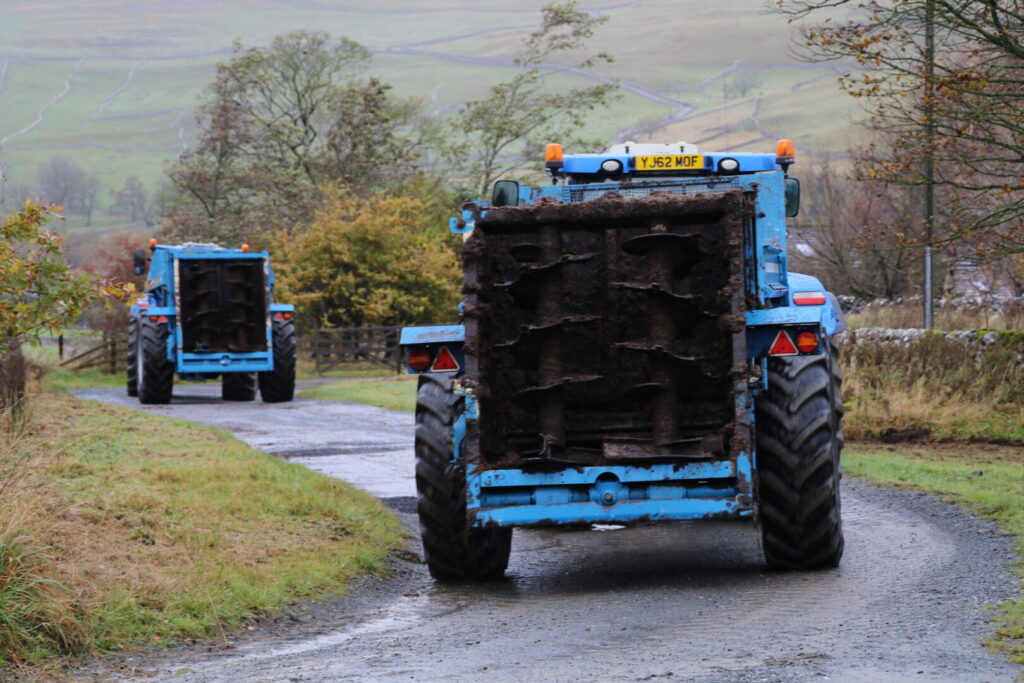
As demand grew, a second spreader was on the cards for James in just two years. Part of this was prompted by farmers now requesting him to provide a contract spreading service, rather than individuals hiring the spreaders and using their own tractors.
“Our area is unique with a lot of small livestock farms with very few mid-sized tractors capable of running large implements. Couple this to a lack of good labour willing to work on these small farms, and even hiring and running the Lowlander 75 was a stretch for some. I’d taken on a lot of these customers for baling works so the manure spreading tied in well.
“When I rang Rob for a quote on a second machine, he assumed I wanted something bigger, but a smaller Bunning spreader was required. This was to satisfy the farmers who still wanted to hire but didn’t have tractors big enough for the Lowlander 75.”
A smaller Bunning Farmstar 60 arrived in 2014. This is the smallest spreader Bunning produce, carrying 7.2m3, but has proved ideal for negotiating the smaller yards and gateways but also providing options for hiring. James says one of his customers has a farm of 22ha (55 acres) across 18 fields.
James says the shift in how his spreaders are used has changed drastically since he started the business. “At the beginning we were 95% hire focussed, with only a small bit of our own works, now I’d say it’s 40% hire, and we contract into many of the customers who used to hire.”
“When your biggest tractor is a Case 885 XL and your used to a Marshall barrel spreader, our Bunning machines are a huge leap forward. However, having the right tractor to run the spreader, especially on these hills, is a large part of it. It would’ve taken some customers a week with their old machines to do what we cover in a day now.”
James concludes by highlighting that the minimal downtime and ease of operation offered by his spreaders means he hasn’t needed dealer or manufacturer support during his ownership.
“We made some tweaks to our first machine when it arrived to fit our needs, which Bunning were helpful with, but since then, I’ve not spoken to them as we just don’t get any issues. I wouldn’t swap the Bunning spreaders for anything else,” says James.