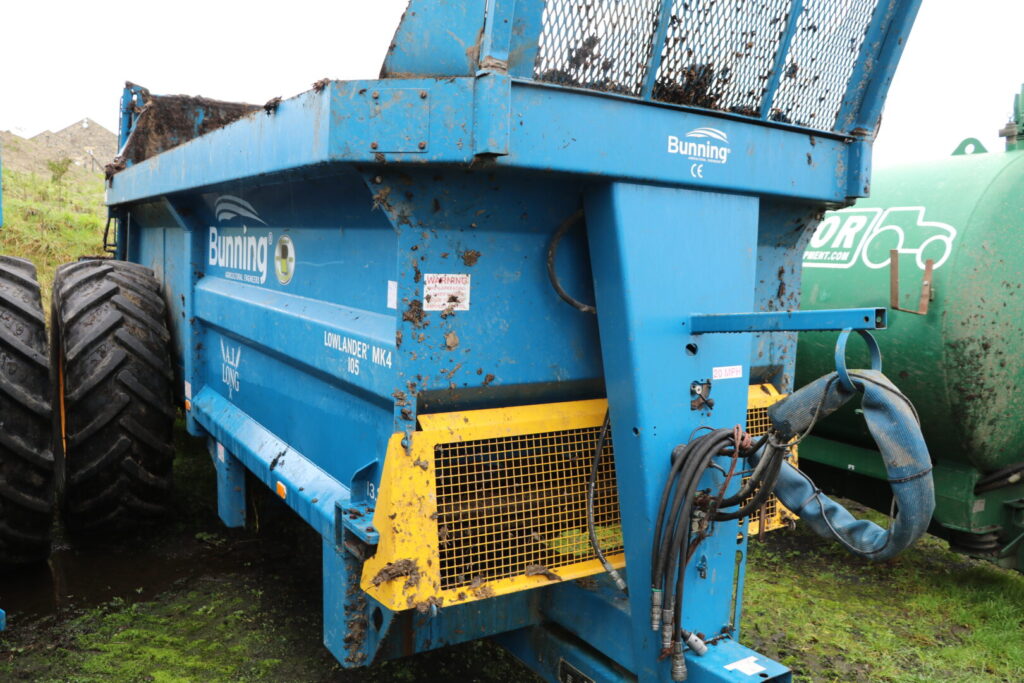
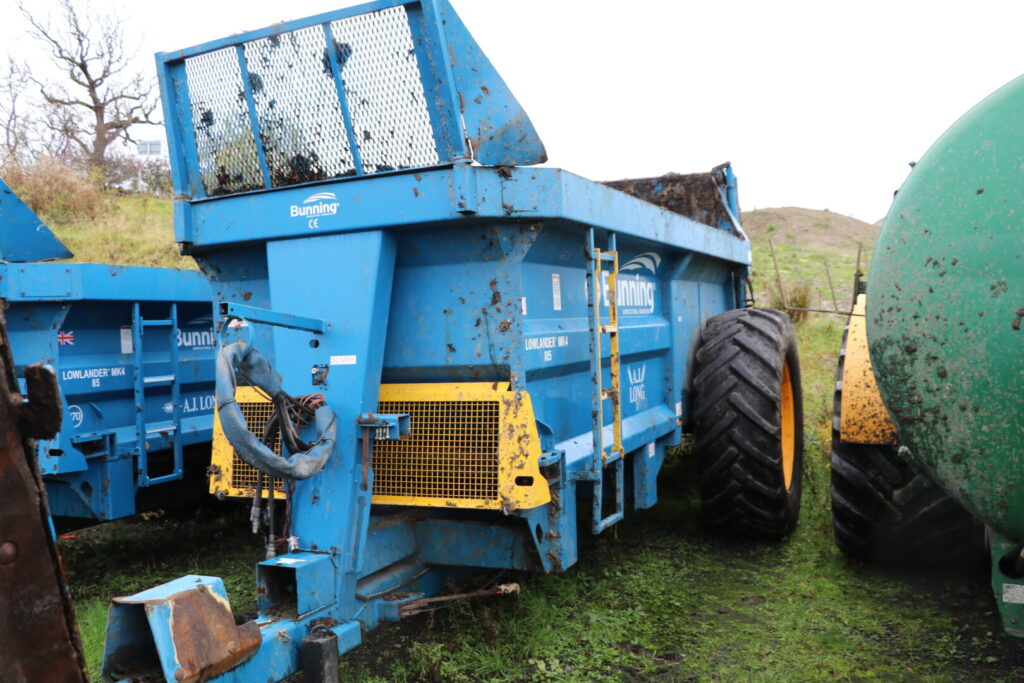
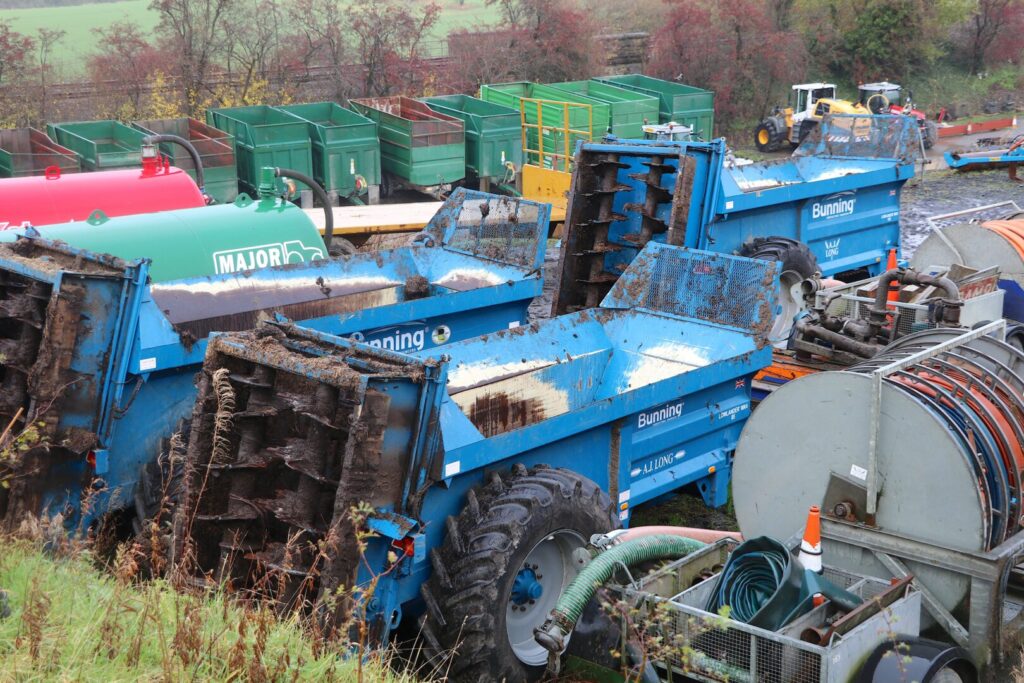
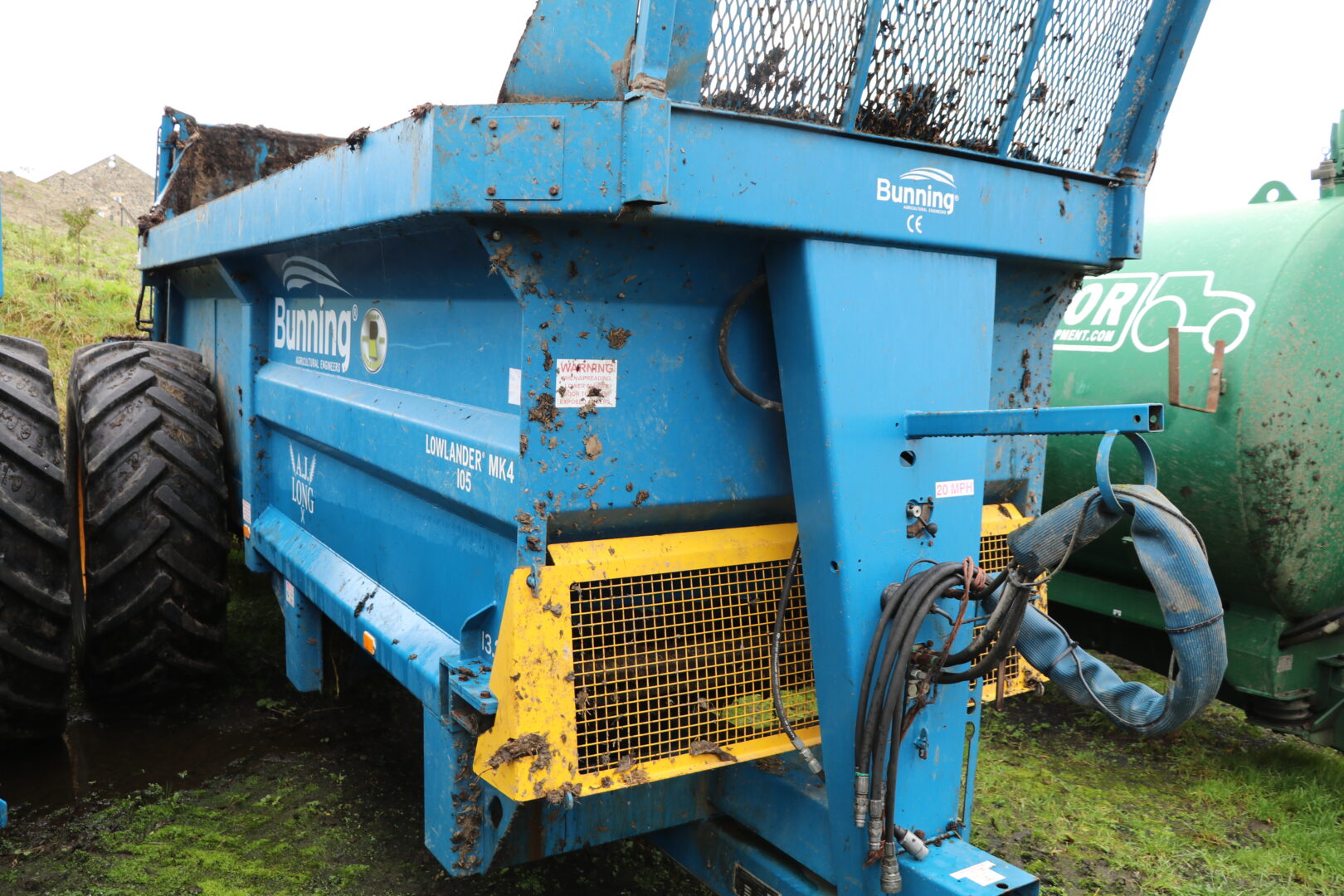
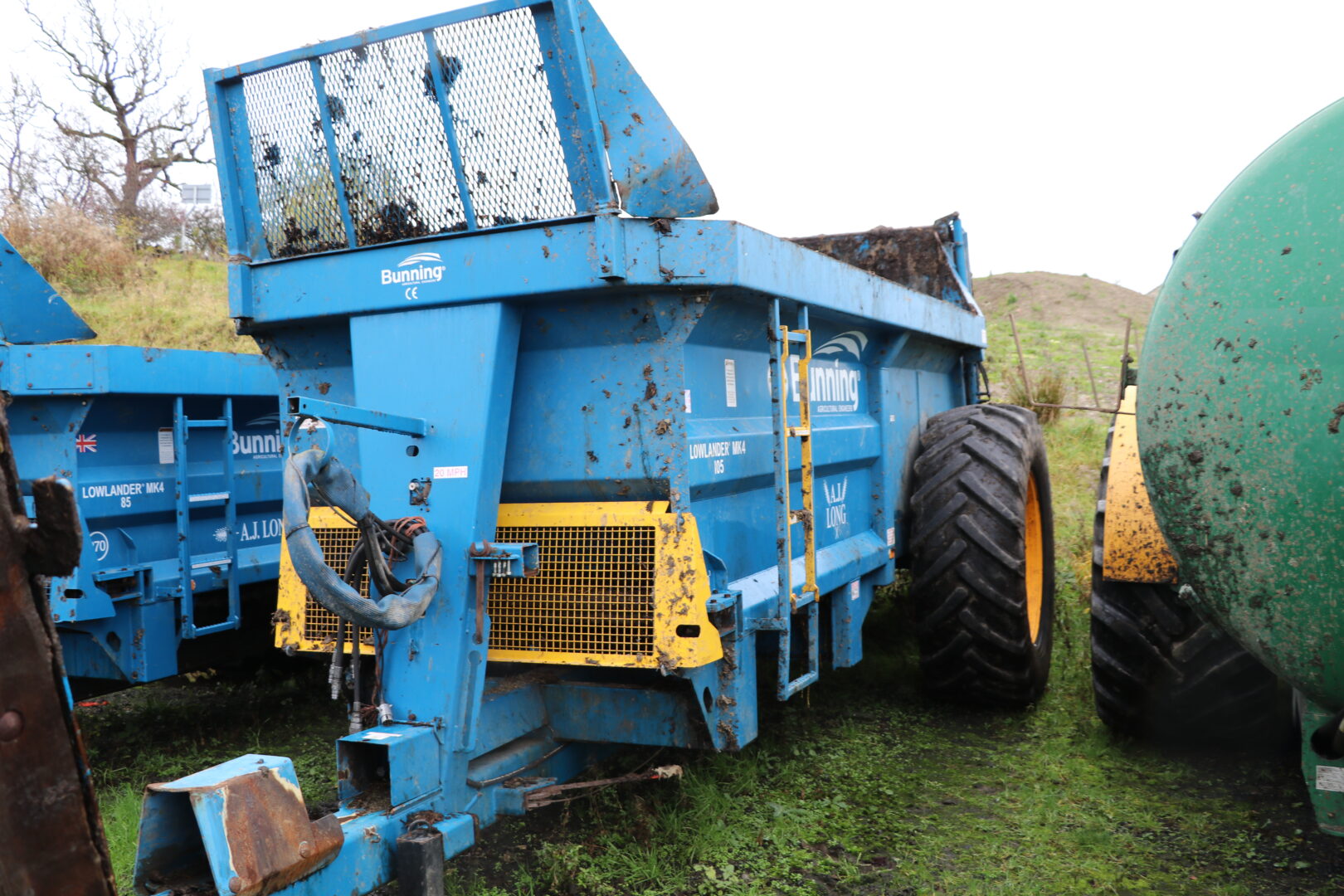
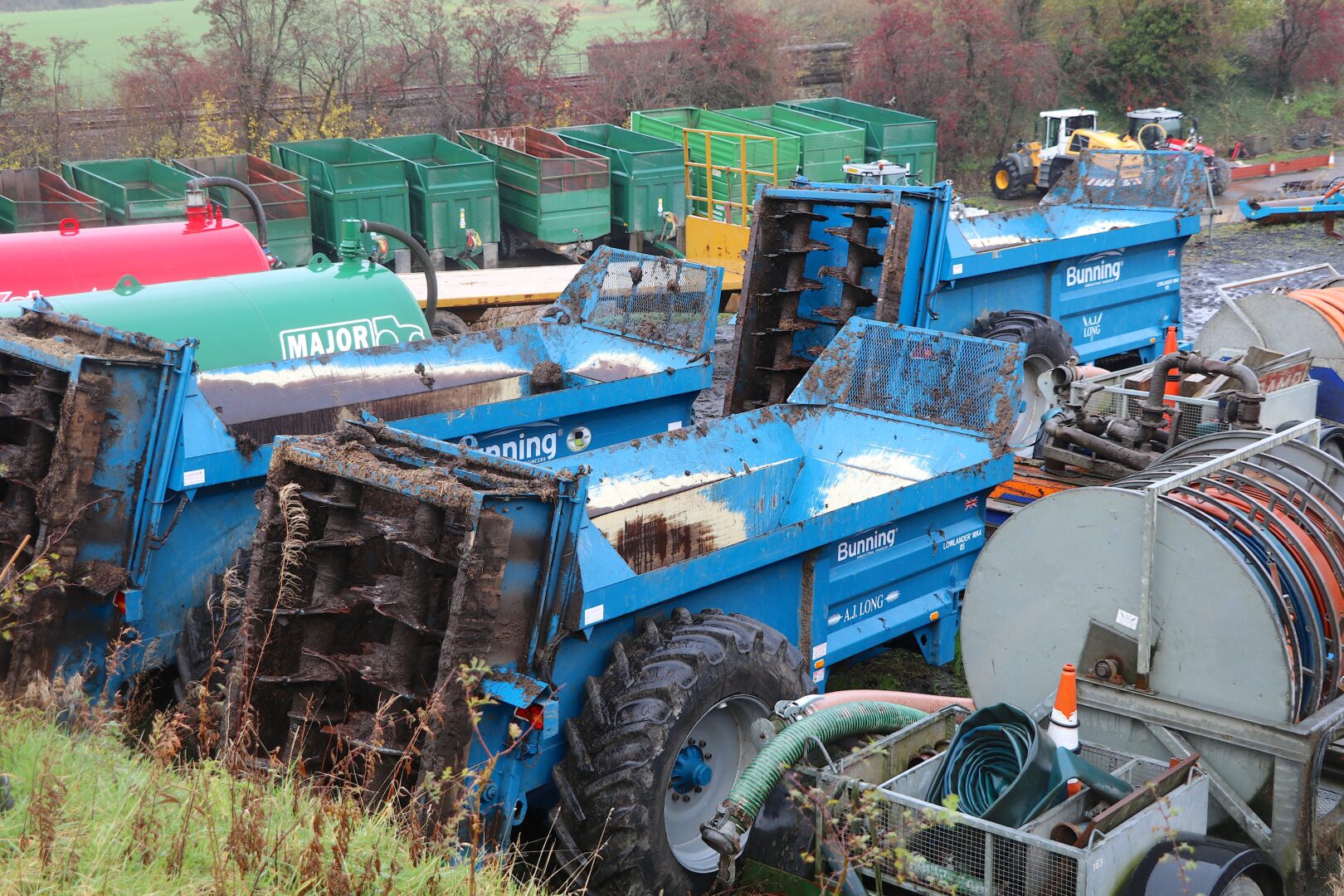
A J Long’s two Lowlander 105 TVA and Lowlander 85 TVA spreaders

Spreader trio provide vital contracting and hire service

Running three self-propelled foragers offering the complete silaging service, the team at A J Long need the smaller, but equally valuable, manure spreading and hire side of the business to run without a hitch.

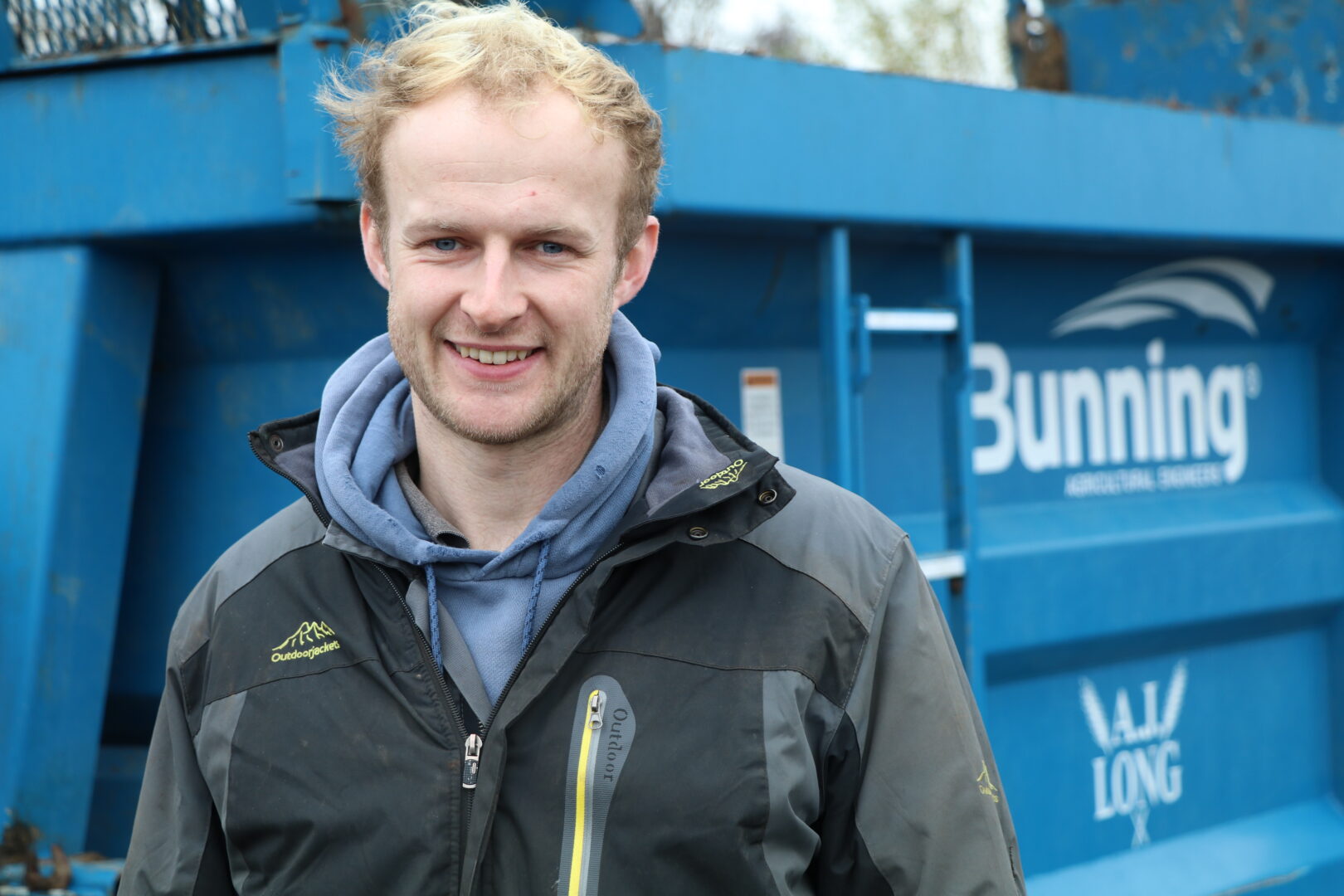
Josh Long says the business has been running Bunning machines for over a decade and is impressed with the reliability and resale value

Despite running several brands of manure spreaders through the nineties, a key reason for contractors A J Long to make the switch to Bunning was the three-year warranty provided with every spreader. After suffering some issues with previous models, this was a clear indication that Bunning is more than confident its spreaders will stand up to the rigorous workload, as Tom Long explains.

“Reliability and longevity on any of our machines is essential to our business, but especially the spreaders, as it’s a job that runs alongside the more intensive works when we are busy. We hire the spreaders to local farmers but also run a contracting service, which dovetails neatly with the grass silage operation we run.

“When hiring the machines, the last thing we want is a phone call from the hirer with news of a breakdown. Reliability usually means repeat business and the build quality of the Bunning machines has been very impressive.”

The contracting business began in 1979 and manure spreading, both contracting and hiring, has remained a key service. The agricultural side is now run by brothers Tom and Josh Long, with their dad, Andrew, overseeing the construction and digger operations, all based on the same yard near Skipton, North Yorkshire.

Over the years, the demand for manure spreading has remained consistent, leading to the business requiring three spreaders to ensure it meets both hiring and contracting requests.

The three spreaders in the fleet include two Lowlander 105 twin vertical auger (TVA) models and a smaller Lowlander 85 TVA, which offers a shorter wheelbase and lower loading height but a similar output to the larger models. When the three machines run together, outputs can reach over 1,000t/day. The Lowlander 85 is preferred by hire customers who have smaller tractors and fore-end loaders.

Build quality and design

The first Lowlander 105 TVA arrived in 2013 following a strong relationship with local dealer, Rickerby, and salesman Rob Bell. Tom says the first spreader impressed the team due to several improved design features that they had issues with on previous models.

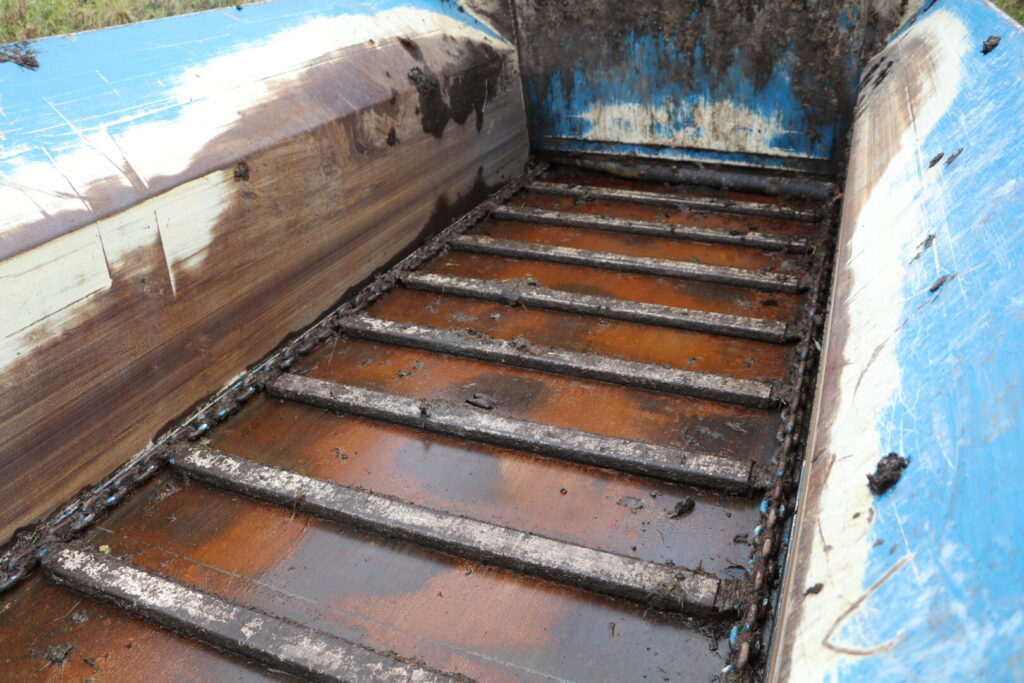
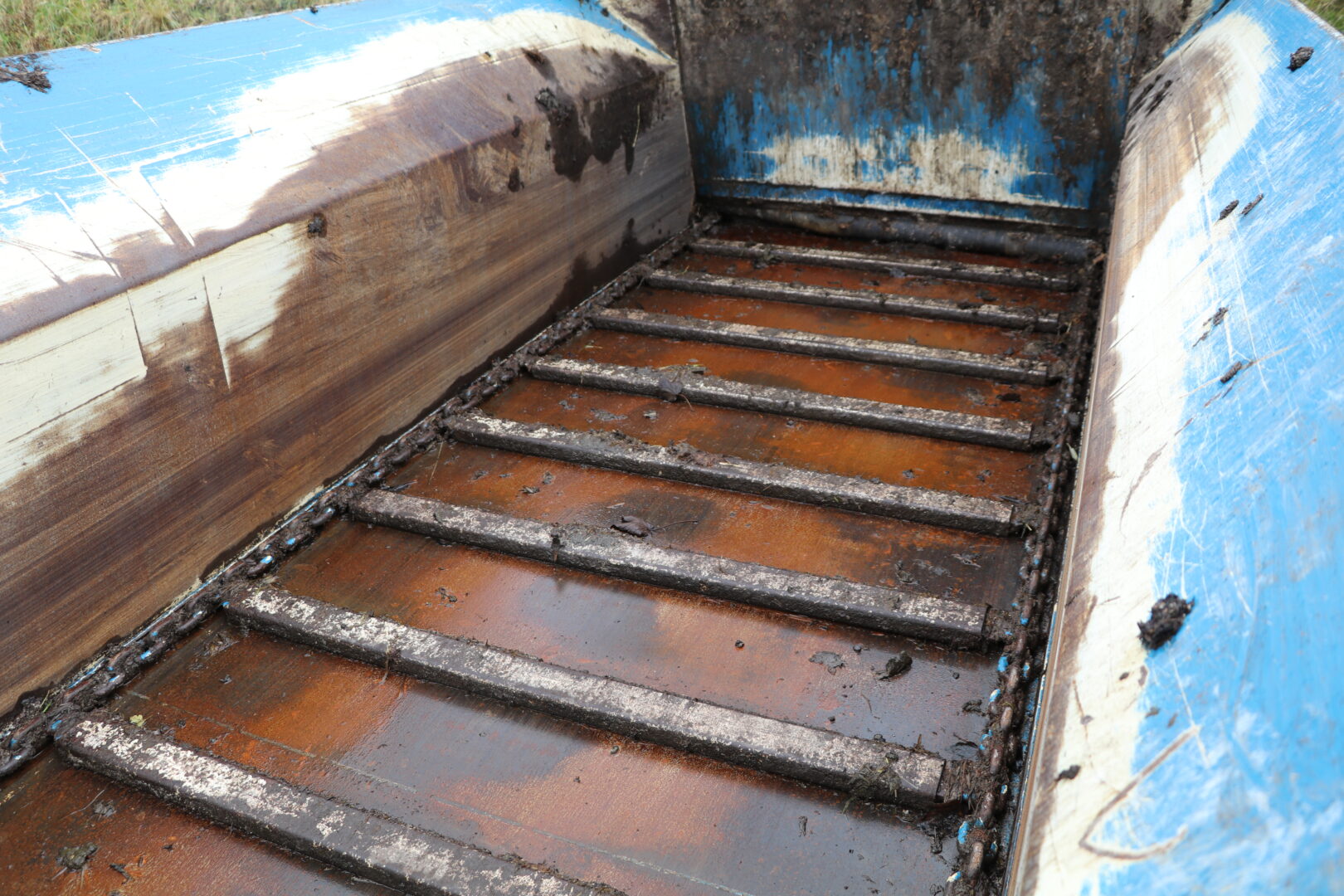
“We liked the full width bed slats on the Lowlander, which moved loads in a consistent way towards the augers and reduced the number of chains and sprockets on the moving floor. This also meant we went to a single chain on each side, which are subjected to the same wear stresses so can be maintained and adjusted in unison.

“This has made the maintenance requirements simpler and we’ve reduced the problems we used to have with a split bed system. This tended to deliver uneven wear between the middle and outer chains due to the different loads across the width of the machine, leading to the two beds becoming out of sync.”

Although the Lowlander models are purposely kept simple, one feature all three model have is the narrow pressings on the rear panels to allow wider tyres to be fitted.

“We run 580/70 R38s on the Lowlander 105 TVAs now, which makes a significant difference to how the spreaders travel both on the road and in the field and helps to reduce soil compaction. The narrow lanes around here can be tricky to negotiate, so maintaining a narrow road width for gateway access was essential.”

Service life

Despite running four machines for a few seasons, dropping back to three is the sweet spot to cater for all customers. The first Bunning arrived in 2013, with two more in 2017. The last of the 2017 machines was upgraded in 2023, which was still on its original gearboxes, chains and sprockets. The only maintenance required was a shortening of the chains.

The current spreaders are two 2020 models and a new 2025 105 TVA that has arrived this winter for next season. Tom says the business runs them for a minimum of five years.

“We have found that to keep the fleet fresh and maintain value in the machines on the second-hand market, keeping them for this long is ideal. Some of the machines have been sold to our customers who have brought the process in-house following hiring our spreaders.

“The spreaders are purposely kept simple, with no extras such as sprung drawbars, but we do add PTO guards to save us replacing these on a regular basis. Each spreader must earn its keep through the year, and the Bunning machines have improved our reliability and reduced downtime, while delivering a consistent product from the rear,” concludes Tom.

Spreading correctly

Operating across a mixed farming area, cattle manure is a common product, but a contract with a local farm to supply and spread poultry litter, alongside work with South West Water spreading sewage sludge, means the spreaders need to handle a wide range of products.

To support this, Thomas gained his FACTS qualification in 2016 to enhance his own knowledge and fully understand what he was applying, and when the optimum time to do this was.

“I know a lot of farms have their own agronomists, but as a contractor I wanted to know what we were doing from a soil nutrient perspective. I also wanted to show customers that they are getting more from the premium service we are offering.”

Part of this has translated back into applications on the home farm, where the small acreage of maize grown now doesn’t receive any bagged fertiliser, with all inputs through organic manures.

One extra Thomas doesn’t add to the spreaders is weigh cells, preferring instead to use weigh cells on his JCB 435S loading shovel to monitor each bucket. For spreading, each operator has a printout which they use as a bible for setting tractor and bed speed, along with slurry door height. He explains that this has been perfected overtime.

“A lot of the products we use are very similar year to year and have been tested. We contract for a lot of the same farms who feed the same rations, so what comes out is very consistent. I live by the settings on the sheet, and we are always bang on if we follow it correctly. I usually drive one of the spreaders or the loading shovel and I’ve got some great chaps who are very conscientious operators.”