Build quality and design
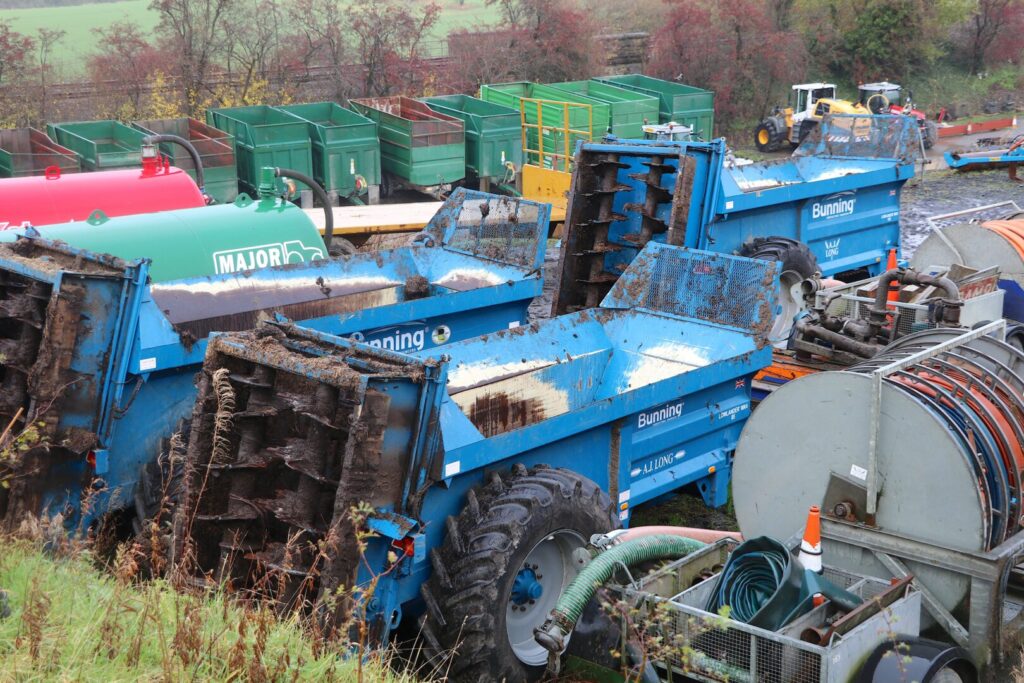
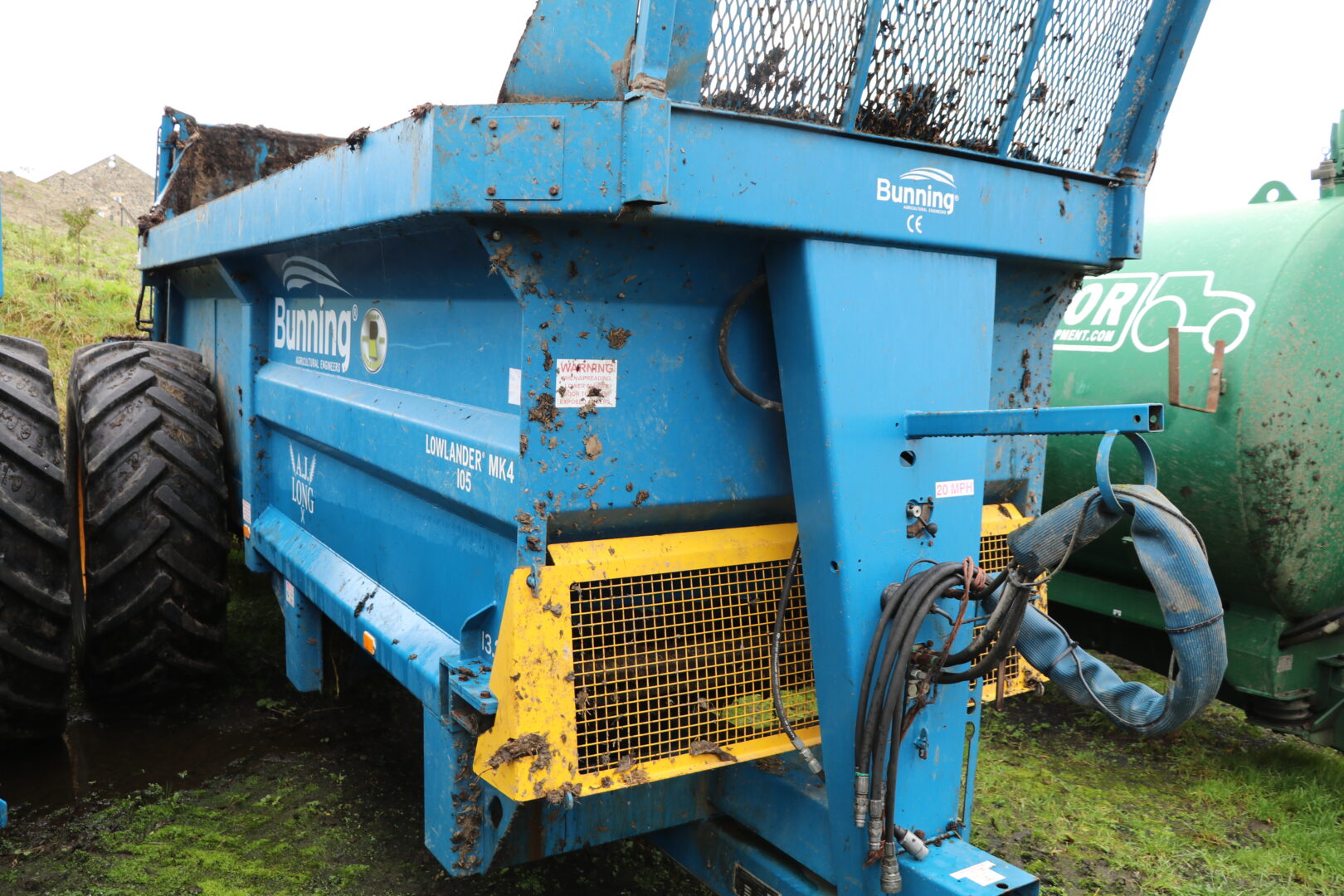
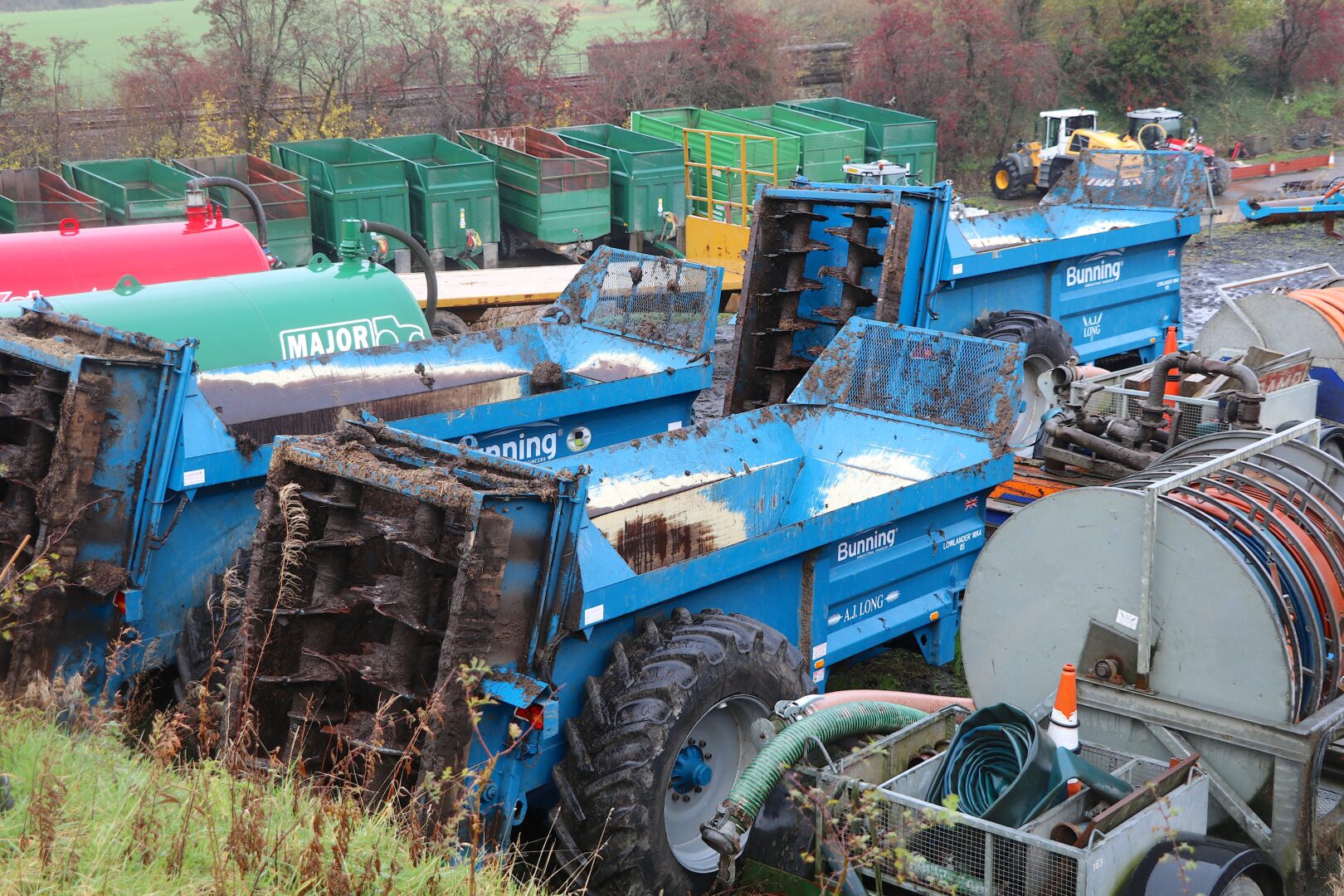
The first Lowlander 105 TVA arrived in 2013 following a strong relationship with local dealer, Rickerby, and salesman Rob Bell. Tom says the first spreader impressed the team due to several improved design features that they had issues with on previous models.
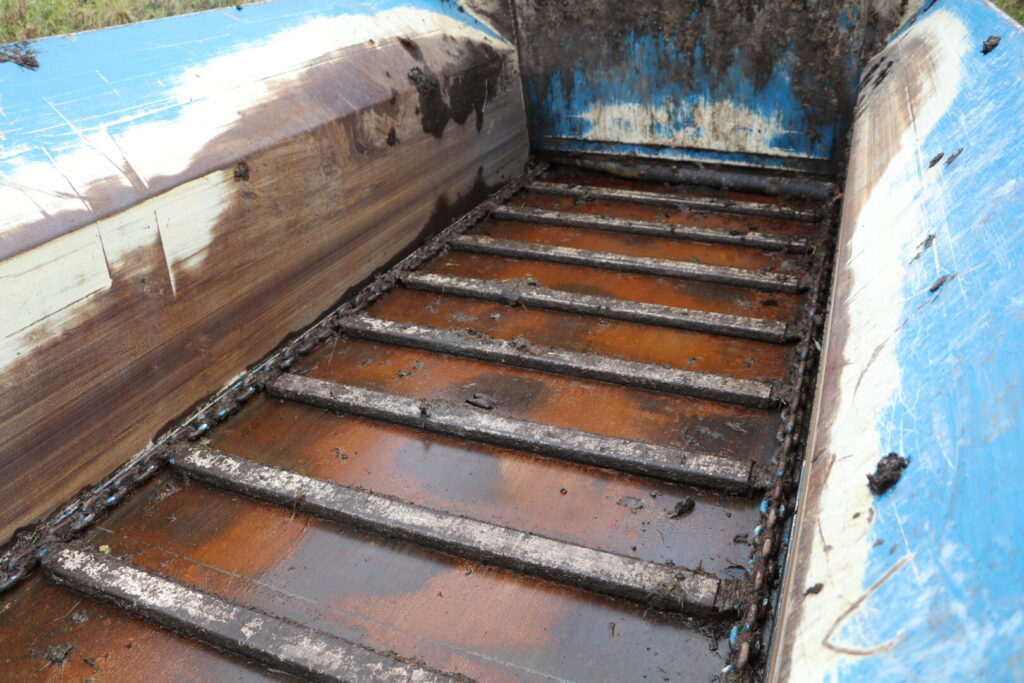
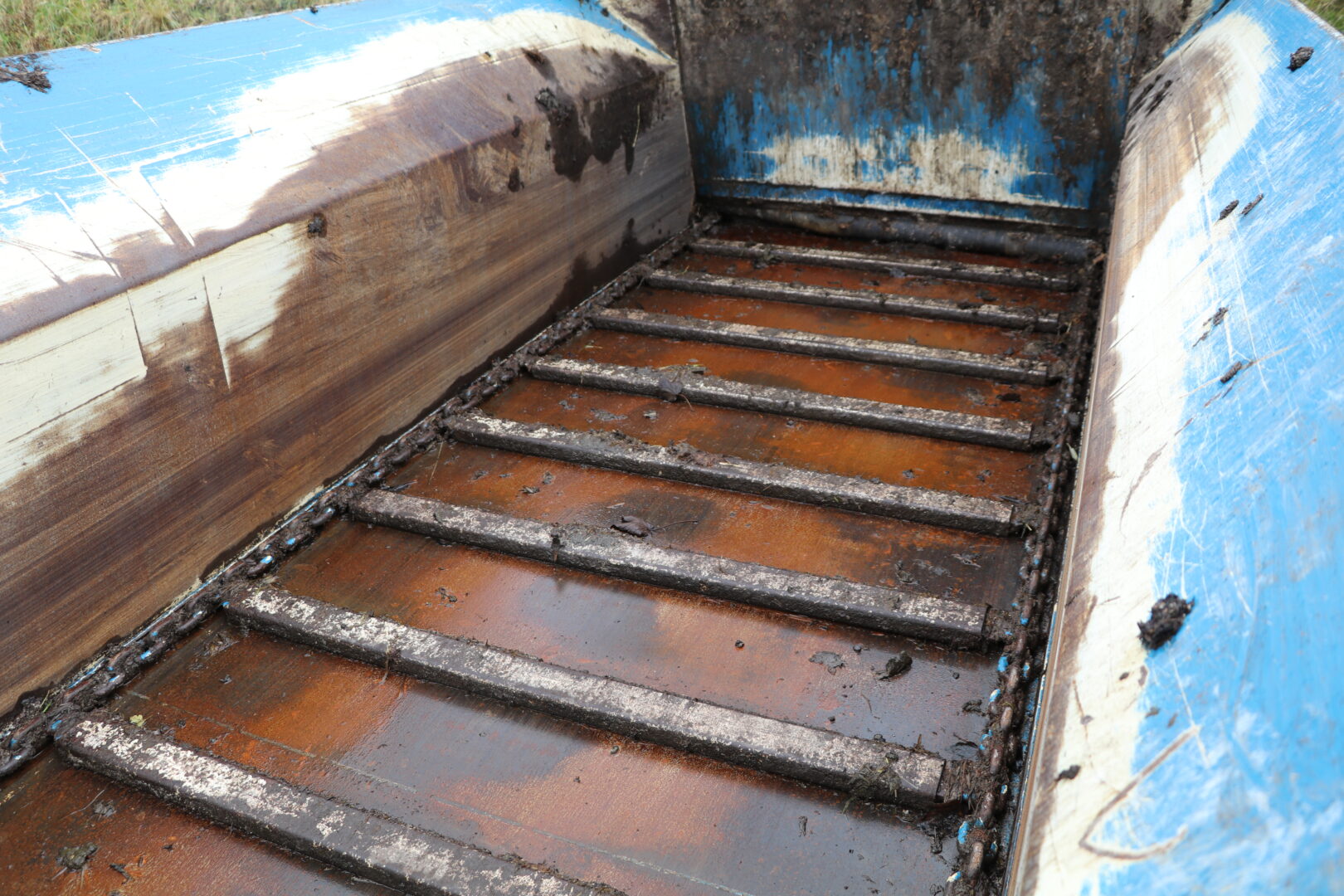
“We liked the full width bed slats on the Lowlander, which moved loads in a consistent way towards the augers and reduced the number of chains and sprockets on the moving floor. This also meant we went to a single chain on each side, which are subjected to the same wear stresses so can be maintained and adjusted in unison.
“This has made the maintenance requirements simpler and we’ve reduced the problems we used to have with a split bed system. This tended to deliver uneven wear between the middle and outer chains due to the different loads across the width of the machine, leading to the two beds becoming out of sync.”
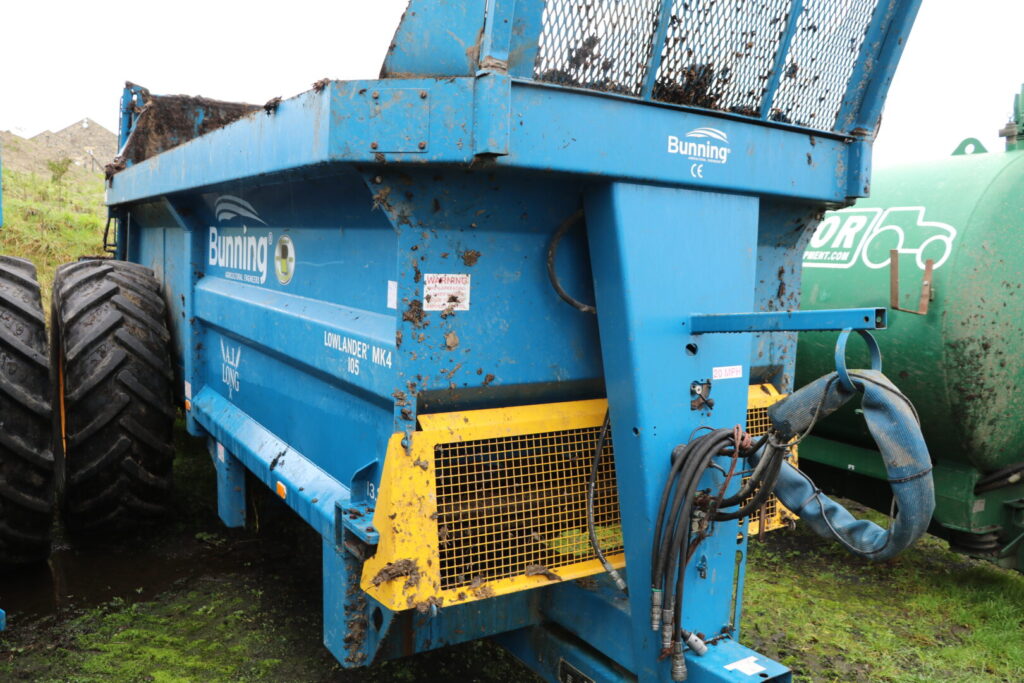
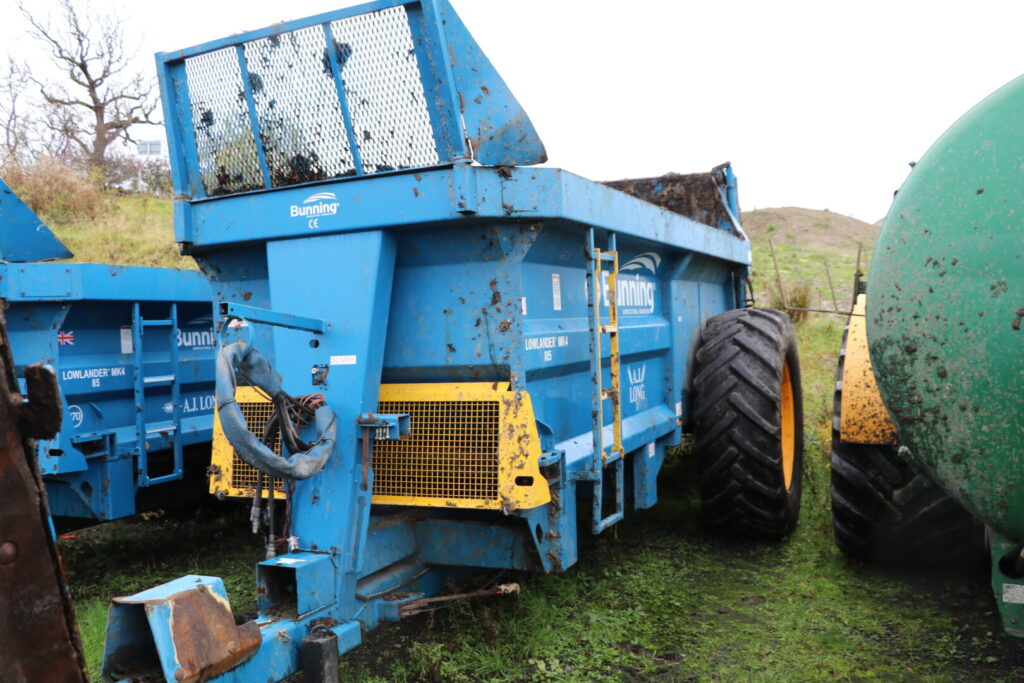
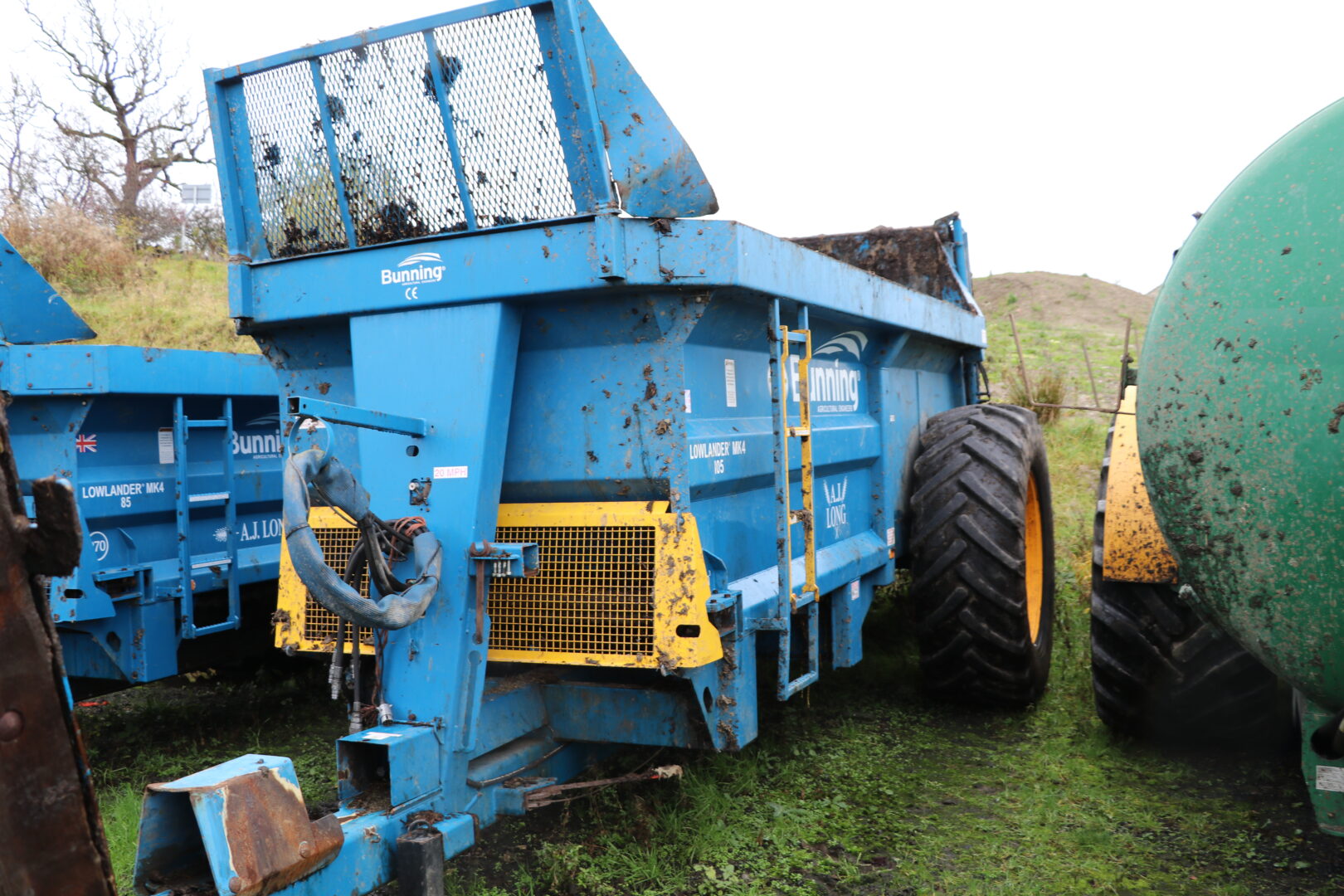
Although the Lowlander models are purposely kept simple, one feature all three model have is the narrow pressings on the rear panels to allow wider tyres to be fitted.
“We run 580/70 R38s on the Lowlander 105 TVAs now, which makes a significant difference to how the spreaders travel both on the road and in the field and helps to reduce soil compaction. The narrow lanes around here can be tricky to negotiate, so maintaining a narrow road width for gateway access was essential.”
Service life
Despite running four machines for a few seasons, dropping back to three is the sweet spot to cater for all customers. The first Bunning arrived in 2013, with two more in 2017. The last of the 2017 machines was upgraded in 2023, which was still on its original gearboxes, chains and sprockets. The only maintenance required was a shortening of the chains.
The current spreaders are two 2020 models and a new 2025 105 TVA that has arrived this winter for next season. Tom says the business runs them for a minimum of five years.
“We have found that to keep the fleet fresh and maintain value in the machines on the second-hand market, keeping them for this long is ideal. Some of the machines have been sold to our customers who have brought the process in-house following hiring our spreaders.
“The spreaders are purposely kept simple, with no extras such as sprung drawbars, but we do add PTO guards to save us replacing these on a regular basis. Each spreader must earn its keep through the year, and the Bunning machines have improved our reliability and reduced downtime, while delivering a consistent product from the rear,” concludes Tom.